Thesis
Roman concrete gave the powerful empire the means to build incredibly strong structures, Battlefield medicine helped save soldiers and maintain the military system and the Roman’s built aqueducts that could sustain millions of people with fresh drinking water. These were the most historically significant developments in the creation of the ancient civilization of Rome
Roman Concrete
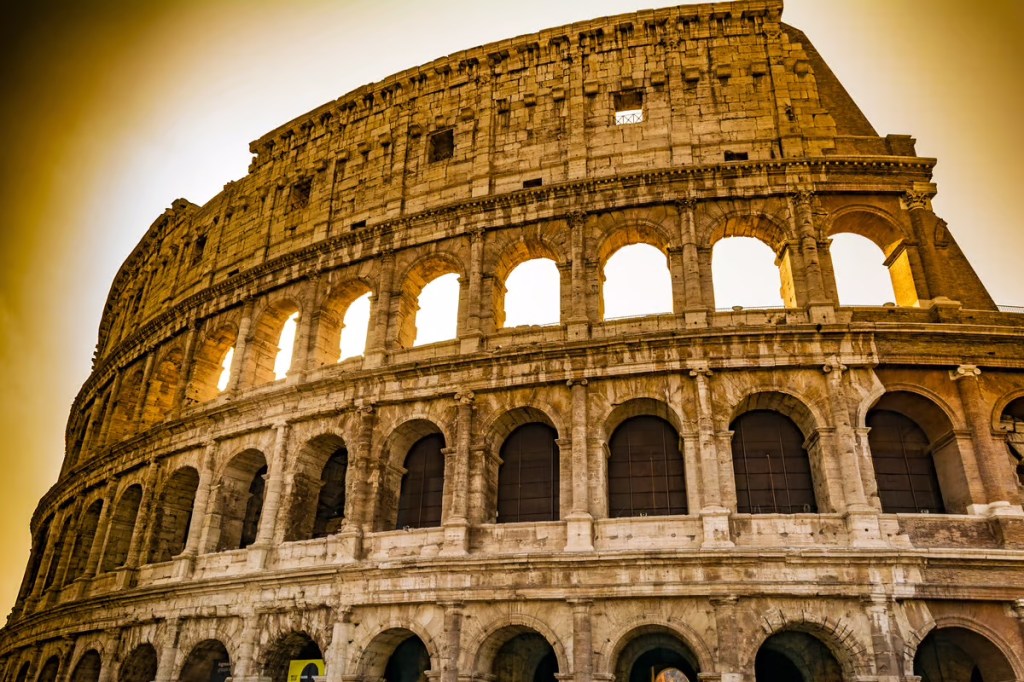
Roman concrete also called opus caementicium was used for much of the construction in Roman times. This concrete was based on a hydraulic setting cement added to an aggregate. Known for its incredible durability and strength Roman concrete was a milestone in ancient civilization and would go onto enable the creation of some of the most incredible infrastructure that would give Romans an advantage over other civilizations which may have been trying to invade Rome. The Romans used this concrete to build massive city walls, churches, castles and entertainment centres that gave the Roman people a sense of pride and safety.
Battlefield Medicine
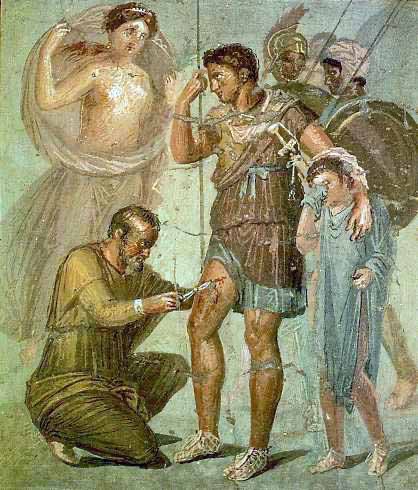
Medical innovation was crucial to the maintenance of the military system. Roman legions would have medici (physicians) that were there to provide soldiers with care, such as providing certain diets and encouraging exercise and daily bathing. In more serious circumstances, they would provide ointments for scorpion and snake bites as well as preforming surgery if needed. They invented the tourniquet and ligation now allowing them to control blood flow of wounded soldiers by patching them up, their chances of survival dramatically increased.
Aqueducts
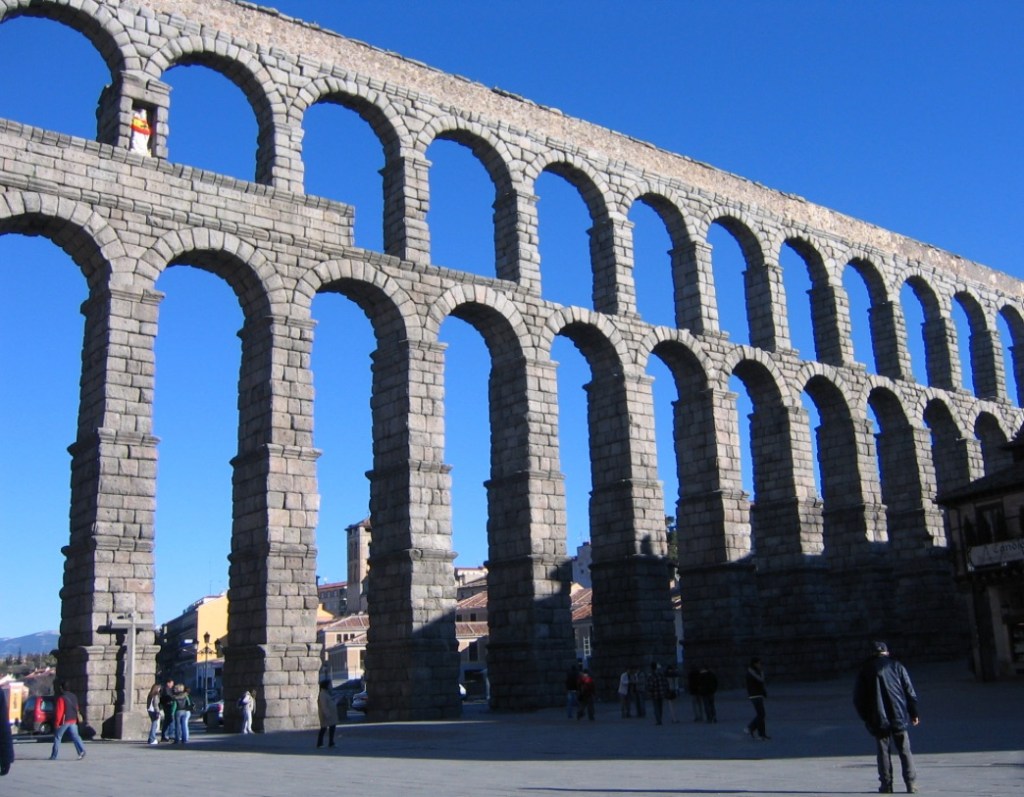
The Roman aqueducts are regarded as some of the most impressive construction projects of ancient times. Wherever the Romans went, aqueducts were sure to follow, spreading to over two hundred different cities with this amazing architecture. They ran from the tops of the mountains, bringing the water flowing down sometimes more than ninety kilometres into the cities. The water coming from aqueducts supplied millions of Romans with fresh drinking water. With the surplus of water, the Romans had the ability to build massive baths used for gatherings and professional meetings. They also built an early version of sewers further enriching the civilization.

